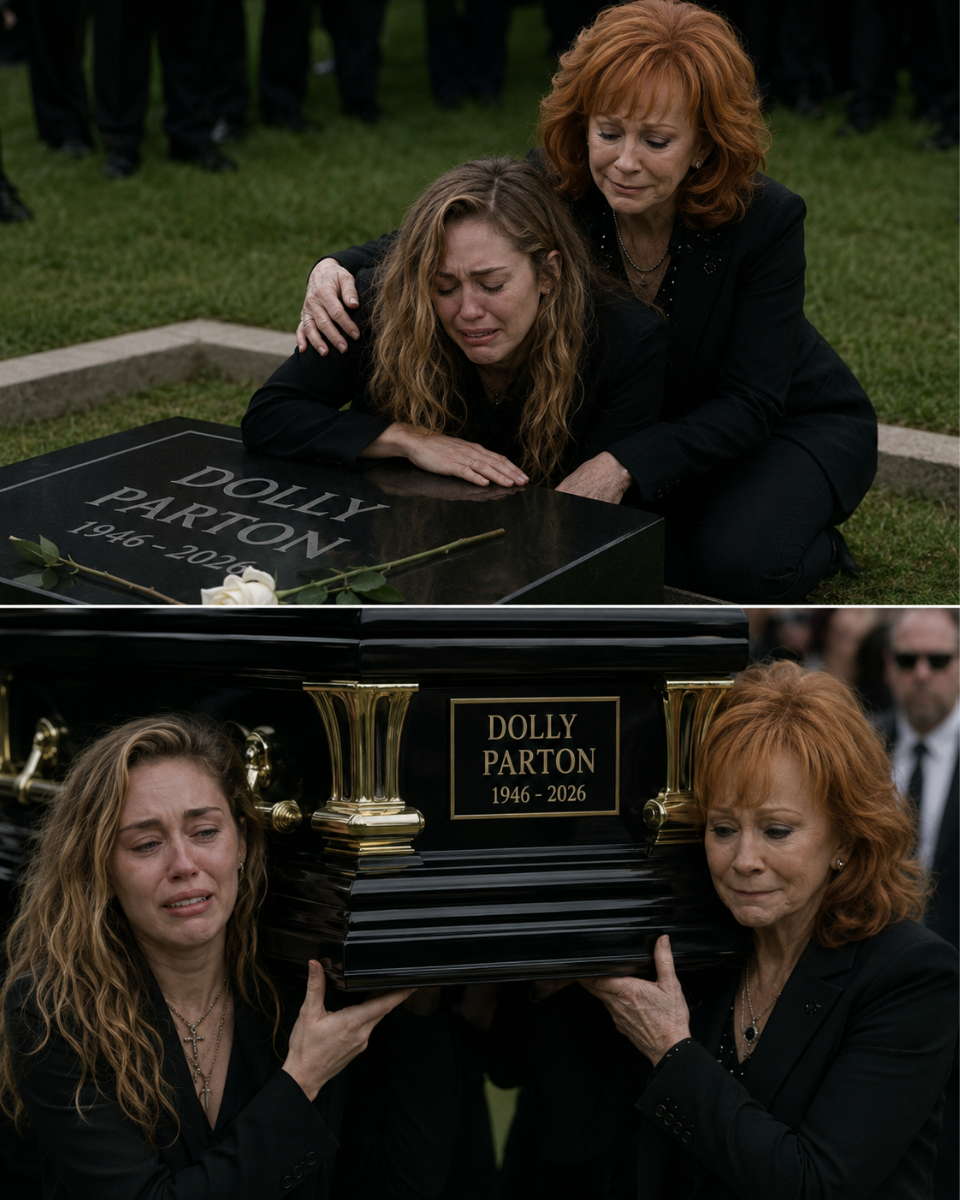
What makes the imagined moment resonate is the genuine relationship connecting Dolly and Miley, a godmother bond that became familiar to audiences through years of public affection, musical collaboration, humorous exchanges, performances, and mutual admiration.
Their connection has always seemed larger than an ordinary celebrity friendship because audiences watched two generations of entertainers openly celebrate each other without pretending that age, musical differences, or changing cultural expectations separated their worlds.
Dolly represented a link to country music history, while Miley became a performer willing to move unpredictably between pop, rock, country influences, experimentation, controversy, and reinvention without allowing one musical category to permanently contain her.
That shared independence arguably created one of the most interesting dimensions of their relationship, because both women understood what happens when audiences believe they possess the authority to decide exactly how a female performer should behave.
Dolly spent decades responding to judgment about her appearance, ambition, voice, business decisions, and carefully constructed public image, often using humor to disarm criticism without surrendering the qualities that made her unmistakably herself.
Miley encountered a different generation of scrutiny, experiencing every transformation through an internet culture capable of turning hairstyles, relationships, performances, clothing, interviews, and mistakes into worldwide arguments within minutes.
Despite those differences, both women repeatedly demonstrated something similar: the willingness to survive public judgment without allowing criticism to become the final author of their idenтιтies.
That is why imagining Miley confronting Dolly’s absence produces such intense emotion, because audiences are not simply imagining one celebrity mourning another but a goddaughter losing someone who represented family, mentorship, history, and artistic understanding.

The fictional cemetery scene becomes even more devastating when imagined mourners supposedly begin crying together, because collective grief has a strange ability to erase distinctions between celebrities, relatives, strangers, and longtime supporters.
One person might remember hearing “Jolene” for the first time, while somebody else remembers “Coat of Many Colors,” “9 to 5,” or “I Will Always Love You” becoming permanently attached to a specific chapter of life.
Others may ᴀssociate Dolly less with recordings than with childhood books, philanthropy, television appearances, interviews, laughter, or the extraordinary warmth that became one of the most recognizable characteristics of her public personality.
That range of memories explains why fictional farewell narratives spread so rapidly, because Dolly occupies different emotional spaces for different people while somehow remaining recognizable across generations that experienced dramatically different versions of popular culture.
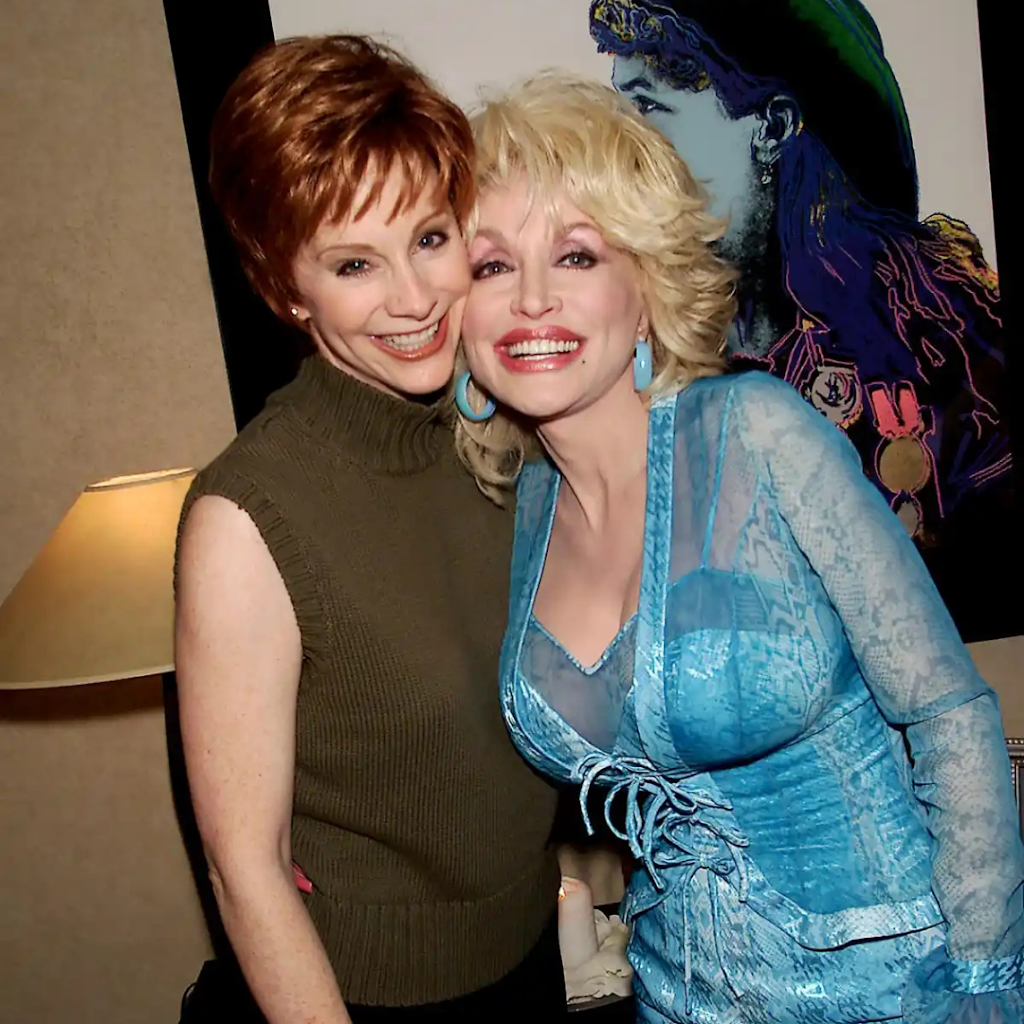
Yet the viral nature of such stories creates an uncomfortable ethical debate, particularly when imagined funeral footage is described with enough detail that readers can easily mistake emotional storytelling for documented news.
Some supporters may argue that these narratives simply demonstrate how deeply audiences love Dolly, viewing imagined mourning as another form of tribute that encourages people to revisit her music and celebrate her cultural influence.
Others will reasonably argue that fabricating graveside breakdowns crosses an important boundary, especially when stories ᴀssign intensely private behavior to real people and encourage millions to consume an invented moment of personal devastation.
That disagreement becomes even more important when social media rewards emotional extremes, because a quiet memorial rarely travels as quickly as a dramatic collapse, desperate scream, shocking revelation, or supposed final message.

Algorithms may reward intensity, but audiences still decide what becomes culturally acceptable, and there is a meaningful difference between imagining a tribute openly and presenting fictional grief as eyewitness reporting.
Miley’s genuine affection for Dolly provides enough emotional substance without requiring invented cemetery scenes, because their public interactions already demonstrate the warmth, humor, respect, and generational connection that made audiences care about them together.
Their performances offered something especially compelling, bringing two distinctive voices into the same musical space while reminding listeners that influence does not require younger artists to become replicas of the people who inspired them.
Dolly never needed Miley to become another Dolly, just as Miley’s admiration never required abandoning her own unpredictable artistic idenтιтy, and that freedom may be one of the most meaningful lessons audiences can draw from their relationship.
The strongest mentors do not create copies of themselves, because they provide enough confidence for another person to walk into unfamiliar territory while knowing somebody important still believes in them.
That idea makes the imagined funeral scene painful without requiring graphic descriptions of Miley physically struggling beside a grave, because anyone who has experienced profound loss understands that absence itself provides enough devastation.
There is no need to manufacture witnesses describing “pure heartbreak” or anonymous fans delivering perfectly constructed quotations when the underlying emotional truth is already universally recognizable.
People fear losing those who helped shape them, and audiences sometimes project that fear onto famous relationships because celebrity connections can become symbolic versions of bonds existing inside their own families.

Perhaps that explains why thousands might share a story like this before verifying it, because they are responding less to the factual details than to the terrifying idea of eventually saying goodbye to someone who always seemed permanent.
Dolly’s cultural presence can create precisely that illusion of permanence, considering her voice, appearance, humor, songs, and personality have remained familiar through decades when almost everything else in entertainment continuously changed.
But a legendary career deserves to be celebrated through what genuinely happened, including recordings, performances, friendships, charitable work, artistic risks, unforgettable collaborations, and the millions of personal memories created along the way.
If a real farewell eventually comes someday, the people closest to Dolly should be allowed to determine how much of their grief becomes public rather than having imagined breakdowns written into their lives beforehand.
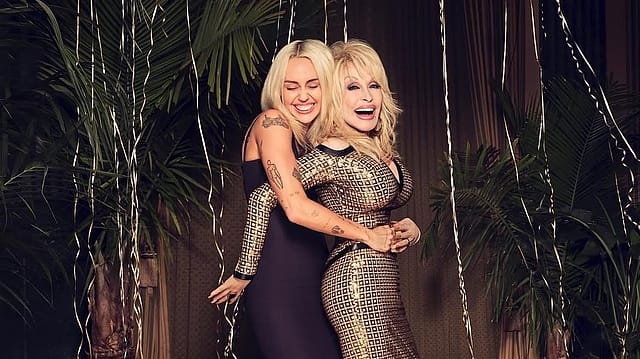
Until then, supporters can honor what Dolly and Miley represent together: family that extends beyond conventional definitions, mentorship without control, musical influence without imitation, and affection strong enough to survive enormous differences between generations.
The most powerful tribute therefore may not be an imagined scream beside a grave, but something considerably quieter: someone pressing play on an old Dolly recording and discovering that the song still feels unexpectedly personal.
Because legends do not become unforgettable through the spectacle of how people mourn them, but through the memories, values, melodies, laughter, and love that remain whenever audiences imagine a world in which their voices eventually fall silent.